Team
Meet the Team
SynapSense is led by a multidisciplinary founding team working across research, strategy, development, and operations. The team operates within an academic research environment and emphasizes methodological rigor, ethical oversight, and clear ownership of responsibilities.

Abdurraheem Sheikh
Co-Founder, Strategy
Human Biology (2027)
IP Strategy & Regulatory Development | AI-Driven Laparoscopic Visualization | NeuroPrecision Biomarker-PGx Validation
Abdurraheem Sheikh is a co-founder of SynapSense and leads the project's strategic direction, scientific integration, and operational execution. His work focuses on defining the long-term research roadmap and ensuring alignment between neuroscience theory, experimental design, data collection, and system development. He is responsible for sequencing research milestones, prioritizing validation efforts, and maintaining coherence across the scientific, technical, and organizational components of the project.
Abdurraheem plays a central role in shaping study design and experimental strategy, with emphasis on methodological rigor, interpretability, and ethical discipline. He oversees intellectual integration across research and development, ensuring that findings from pilot data meaningfully inform system iteration and that technical decisions remain grounded in validated scientific principles.
In addition to strategy and research leadership, Abdurraheem led the intellectual property and organizational formation efforts for SynapSense. This includes drafting and filing the provisional patent, structuring the company's legal formation, and managing compliance-related documentation. Across all responsibilities, Abdurraheem is accountable for ensuring that SynapSense advances in a disciplined, evidence-driven manner, with scientific rigor, ethical accountability, and organizational integrity guiding all decisions.

Raimah Rahman
Co-Founder, Research
BS Neuroscience (2028)
Neuroscience Research Architecture | EEG Biomarker Discovery & Innovation | Brain-Computer Interface Signal Acquisition & Analysis
Raimah Rahman is a co-founder of SynapSense and leads research execution and coordination across all active studies. Her work centers on translating the project's scientific objectives into structured, repeatable experimental protocols and ensuring rigorous adherence to approved research methodologies. She plays a central role in aligning experimental implementation with study design, maintaining consistency across sessions, and supporting the integrity of human-subject research activities.
Raimah is closely involved in participant-facing research operations, including study preparation, data collection workflows, and real-time protocol execution. She ensures that experimental procedures are conducted safely, ethically, and in compliance with Institutional Review Board requirements. Her role also includes monitoring data collection quality, coordinating across study sessions, and supporting the integration of behavioral and neural data streams.
In addition, Raimah contributes to refining research workflows as the project evolves, incorporating lessons learned from pilot data and ongoing analysis. She plays a key role in translating high-level research questions into operational study designs and ensuring methodological consistency as SynapSense progresses through validation stages.
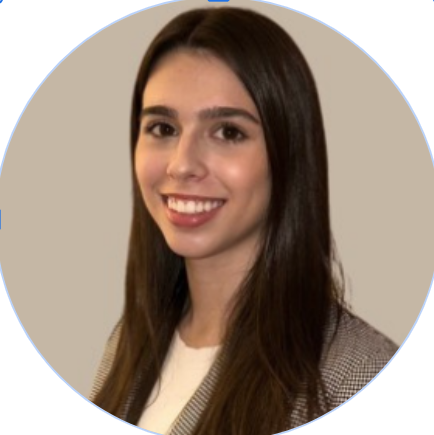
Raquel Paz Bergia
Development
BS Neuroscience (2026)
Medical Device Development | Regenerative Pain Medicine | Brain-Computer Interface Technology
Raquel Paz Bergia leads development efforts at SynapSense, supporting the build-out and iterative refinement of the project's research platform. Her work focuses on translating scientific and experimental requirements into functional systems that can reliably support data acquisition, experimental workflows, and ongoing iteration. She operates at the interface between research needs and system implementation, ensuring that development decisions remain grounded in study objectives and usability constraints.
Raquel contributes to the design and refinement of experimental workflows, supporting the practical execution of EEG-based research protocols and helping ensure that system components function cohesively during data collection. She plays an important role in identifying areas where system design can be improved to enhance reliability, efficiency, and participant experience.
As SynapSense evolves, Raquel supports iterative development informed by empirical findings, pilot feedback, and technical constraints. Her work helps ensure that the research platform remains adaptable while maintaining stability and alignment with the project's research-first mission. She contributes to bridging conceptual design and real-world execution, enabling the project to advance responsibly through successive development phases.

Mateo Hernandez Ortiz
Outreach
Plan II Honors (2026)
Mateo Hernandez Ortiz leads outreach initiatives for SynapSense, supporting participant recruitment, communication with external programs, and engagement with academic and innovation communities. His role emphasizes clear, responsible communication of SynapSense's research scope and mission.
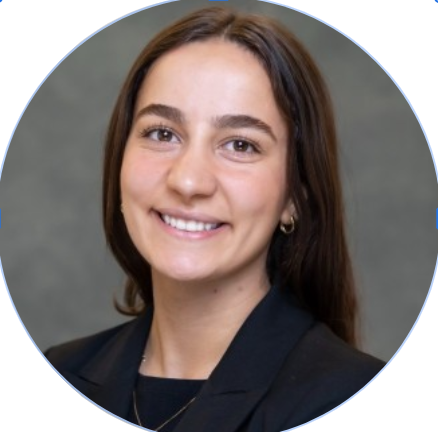
Defne Deliormanli
Finance
Finance (2028)
Defne Deliormanli leads financial planning and operational support for SynapSense. Her responsibilities include budgeting, resource allocation, and coordination of financial logistics to support research and program participation. She ensures responsible stewardship of resources during the research and validation stages.
Team Philosophy
SynapSense operates with a deliberately small founding team during its research stage. This structure ensures clear ownership of scientific, operational, and organizational responsibilities, with all members actively contributing to execution rather than advisory oversight.
Transparency Statement
All individuals listed are actively involved in SynapSense's research, development, or operations. Roles reflect functional responsibilities rather than aspirational titles. No advisory or honorary positions are listed without active engagement.